



Posted by: Associates in Ophthalmology (NJ) in Dry Eye
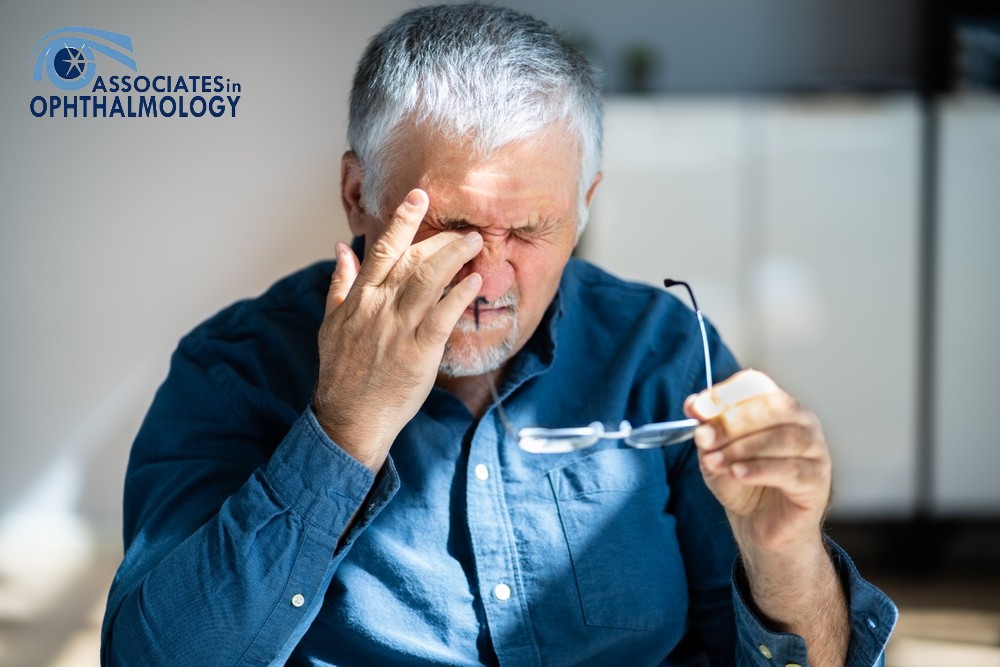
Dry eye can feel like a minor annoyance one day and a serious problem the next, which makes it hard to know when home remedies are enough and when it is time to call a professional. The specialized team at Associates in Ophthalmology treats patients across the full spectrum of dry eye, from mild seasonal flare-ups to chronic cases that need medical intervention.
Keep reading to learn more about the most common dry eye symptoms, how they typically progress, and when it’s time to see an eye doctor.
Do Dry Eye Symptoms Resolve on Their Own?
Mild dry eye often responds well to simple adjustments. A few hours of extra screen time, a long flight, a windy afternoon, or a dry indoor heating season can all leave you with that familiar, gritty, tired feeling by the end of the day.
Over-the-counter artificial tears, a humidifier in your bedroom or workspace, and regular breaks from digital devices often resolve these short-lived episodes within a day or two. The same is true for dry eye caused by screen time, which tends to improve once you step away from the computer and give your eyes a chance to reset.
If your symptoms clear up within 48 to 72 hours with basic at-home care and do not return, you probably do not need an appointment for the time being. Keep an eye on how often they return, though, because recurring episodes are one of the clearest signs that something more is going on.
Warning Signs That Require Professional Evaluation
Certain symptoms should prompt a call to your eye doctor rather than another trip to the drugstore. Persistent burning or stinging that lasts more than a week, blurry vision that does not improve after blinking, sensitivity to light that interferes with daily tasks, and the feeling that something is stuck in your eye are all reasons to schedule an exam.
Pain, discharge, or swelling around the eyes can indicate that dry eye has progressed beyond simple tear film imbalance into inflammation or infection, and these cases benefit from prompt medical attention. Paradoxical watery eyes, in which your eyes overflow with tears yet still feel dry, often point to Meibomian gland dysfunction, one of the most common causes of dry eye.
Any sudden change in vision associated with dryness should be evaluated promptly, as untreated chronic dry eye can damage the cornea over time.
What Happens During a Dry Eye Appointment?
A dry eye evaluation at Associates in Ophthalmology begins with a detailed history of your symptoms, medications, and daily environment. From there, your eye doctor will examine the surface of your eye and may perform a Schirmer’s test to measure tear production, epithelial staining to check for corneal damage, or a Meibomian gland evaluation to assess oil flow.
In many cases, the most informative step is TearLab diagnostic testing, which measures tear osmolarity using a tiny sample and has strong predictive value for diagnosing dry eye disease. Based on those results, your eye doctor will recommend a targeted treatment plan.
That might mean prescription drops, punctal plugs, nutritional adjustments, or an in-office iLux treatment that uses gentle light-based heat to unblock clogged Meibomian glands. The goal is long-lasting relief, not temporary symptom masking.
Why Specialized Care Matters
Dry eye has many causes, including hormonal shifts, autoimmune conditions, medication side effects, and long-term contact lens wear. A general recommendation for artificial tears may help some patients and do nothing for others, which is why a comprehensive dry eye evaluation with an eye doctor who treats this condition regularly tends to yield better results than trial and error at home.
When symptoms persist, escalate, or interfere with work, driving, or sleep, professional care becomes the practical next step rather than a last resort. Are your dry eye symptoms getting worse instead of better?
Schedule an appointment at Associates in Ophthalmology in Livingston, NJ, today!